-
×
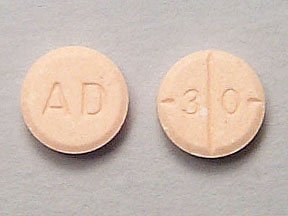 Adderall for sale - 15mg 60 Tablet
1 × $160.00
Adderall for sale - 15mg 60 Tablet
1 × $160.00
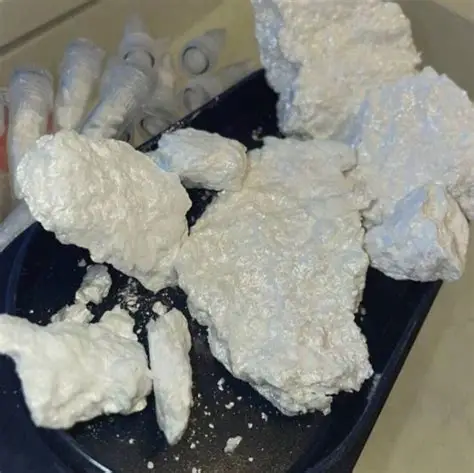
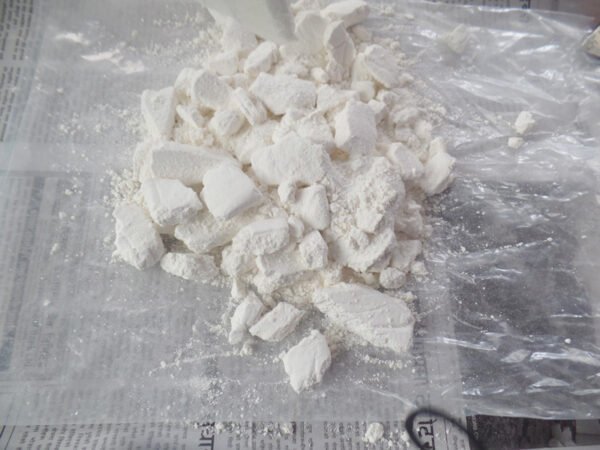
Buy Bolivian Cocaine In Canada
When searching to buy Bolivian cocaine in Canada, it is essential to understand the complex legal, health, and safety landscape surrounding stimulants in the Canadian market. At Bloom Supply Canada, our priority is providing accurate, evidence-based information to help individuals make informed decisions regarding high-risk substances. Bolivia has historically been one of the world’s primary producers of coca, and the “Bolivian” label is often used in the illicit market to denote a specific level of purity or a rocky texture. However, the reality of the illicit supply chain means that what is sold on the street rarely matches the marketing claims of the seller.
What Is Bolivian Cocaine?
Bolivian cocaine refers to cocaine hydrochloride that originates from the coca bushes grown in the Plurinational State of Bolivia. In the world of illicit stimulants, different regions are often associated with different “stamps” or processing methods. Bolivian varieties are frequently described by illicit distributors as having a more pearlescent sheen or a specific “altitude-processed” quality. In reality, cocaine is a powerful central nervous system stimulant regardless of its country of origin. It functions by inhibiting the reuptake of dopamine, norepinephrine, and serotonin in the brain, leading to an intense but short-lived burst of energy, euphoria, and alertness.
Unlike other stimulants such as Modafinil 200mg, which is a prescribed eugeroic with a long half-life used for narcolepsy, cocaine has a very rapid onset and a quick offset. This “crash” often leads to compulsive redosing, which significantly increases the risk of cardiovascular strain and potential overdose. Whether labeled as Bolivian, Peruvian Cocaine, or Colombian Cocaine, the active alkaloid remains the same, as do the inherent risks to the user’s heart, brain, and respiratory system.
Legal Status in Canada
In Canada, cocaine is strictly regulated under the Controlled Drugs and Substances Act (CDSA). It is listed as a Schedule I substance. This means that possession, trafficking, importation, and production are illegal unless specifically authorized for medical or scientific purposes. While some jurisdictions in Canada, most notably British Columbia, have experimented with temporary “decriminalization” for small amounts of personal possession to reduce the stigma and prevent arrests, the sale and commercial distribution of cocaine remain serious federal crimes.
Health Canada does not approve cocaine for recreational use. Licensed medical professionals may use cocaine hydrochloride in very specific surgical settings (such as specialized nasal or ophthalmic surgeries) due to its numbing and vasoconstrictive properties, but these are highly controlled clinical environments. Attempting to buy Bolivian cocaine in Canada through an online dispensary or street dealer is a violation of the CDSA and carries significant legal risks, including the potential for a criminal record and imprisonment.
Why Buying Bolivian Cocaine Online Is Risky
The primary danger of searching for cocaine in the cocaine category on the illicit market is the lack of quality control. Because the market is unregulated, there is zero transparency regarding what is actually in the powder or “rock” you receive. Laboratory testing of seized stimulants in Canada frequently reveals that “pure” products are heavily adulterated.
Common risks include:
- Fentanyl Contamination: This is the most significant risk in the current Canadian drug landscape. Extremely potent synthetic opioids like fentanyl or carfentanil are frequently mixed into cocaine—sometimes intentionally to increase weight, and sometimes through cross-contamination on shared scales. For a stimulant user with no opioid tolerance, even a microscopic amount of fentanyl can be fatal.
- Levamisole: A veterinary deworming agent often found in cocaine supplies. It can cause a severe depletion of white blood cells (agranulocytosis), leaving the user vulnerable to life-threatening infections.
- Other Adulterants: Suppliers often “cut” cocaine with caffeine, lidocaine, phenacetin, or even laundry detergent to increase profit margins. These substances can cause unpredictable heart palpitations, skin necrosis, or allergic reactions.
- Scams and Identity Theft: Many websites claiming to sell “high-quality” 8 Ball Fish Scale Cocaine are simply fraudulent operations designed to steal your money or personal financial information.
The Legitimate Pathway
At Bloom Supply Canada, we operate within the framework of Canadian law. We do not sell Schedule I controlled substances like cocaine for recreational use. For any prescription medication we carry, we require a valid prescription from a licensed Canadian healthcare practitioner. If you are seeking stimulants for the treatment of ADHD or narcolepsy, the only safe and legal pathway is through a medical consultation. A doctor can assess your cardiovascular health and mental health history before prescribing a regulated medication that is manufactured in a controlled, sterile facility with verified purity levels.
How Bloom Supply Canada Handles This Product
Bloom Supply Canada serves as an information hub and a regulated pharmacy service. We do not fulfill orders for illicit substances. Our listing for Bolivian Cocaine exists to capture the search intent of individuals looking for this substance so that we can provide them with critical harm-reduction information and redirect them toward safer, legal alternatives or support services. We advocate for the health of our community and believe that providing facts about the dangers of the illicit drug supply is the most effective way to prevent overdose deaths.
Harm Reduction If You Use Anyway
If you choose to use cocaine despite the legal and health risks, we urge you to follow these harm-reduction protocols to stay as safe as possible:
- Test Your Batch: Use fentanyl test strips. While they are not 100% foolproof (the “chocolate chip cookie” effect means the strip might miss a grain of fentanyl in another part of the bag), they are a vital first line of defense. Many community health centers in Canada provide these for free.
- Start Small: “Start low and go slow.” Do a tiny “tester” bump to gauge the strength and effects before consuming more.
- Never Use Alone: Ensure someone is with you who is not using, or use a service like the National Overdose Response Service (NORS) at 1-888-688-6677. They will stay on the phone with you while you use and call emergency services if you stop responding.
- Carry Naloxone: While Naloxone does not reverse a cocaine overdose, it does reverse the effects of opioids. Since so much cocaine in Canada is contaminated with fentanyl, having a Naloxone kit nearby is life-saving.
- Avoid Mixing: Mixing cocaine with alcohol (which creates the cardiotoxic chemical cocaethylene) or with opioids (speedballing) vastly increases the risk of sudden cardiac arrest or respiratory failure.
Signs of Overdose & Emergency Response
A “stimulant toxicity” or cocaine overdose is a medical emergency. Unlike opioid overdoses, which are characterized by respiratory depression, a cocaine overdose is often characterized by cardiovascular and neurological overstimulation.
- Physical Signs: Rapid or irregular heartbeat, chest pain, extreme body temperature (hyperthermia), seizures, and difficulty breathing.
- Psychological Signs: Severe anxiety, panic attacks, extreme paranoia, or hallucinations.
Emergency Response: If you suspect an overdose, call 911 immediately. In Canada, the Good Samaritan Drug Overdose Act provides legal protection from simple possession charges for those who seek emergency help during an overdose. Do not hesitate to call for fear of police involvement; your priority is saving a life.
Withdrawal, Dependence & Treatment
Cocaine is highly addictive due to its profound impact on the brain’s reward system. Over time, the brain becomes less sensitive to dopamine, leading to “anhedonia”—the inability to feel pleasure from normal activities. This often leads to a cycle of dependence. Withdrawal from cocaine, while generally not physically fatal like alcohol or benzodiazepine withdrawal, is psychologically grueling. Symptoms include severe depression, fatigue, increased appetite, and intense cravings. If you or a loved one is struggling with substance use, Canada offers various resources, from rapid access addiction clinics (RAAC) to residential treatment programs.
FAQ
Is Bolivian cocaine purer than other types?
In the illicit market, “Bolivian” is often a marketing term. There is no guarantee of purity regardless of the claimed origin. Most cocaine seized in Canada has been “cut” several times before it reaches the end consumer.
Can I get in trouble for buying cocaine online?
Yes. Cocaine is a Schedule I substance under the CDSA. Purchasing it online can lead to criminal charges for possession or trafficking. Furthermore, most “online cocaine shops” are scams designed to steal money or data.
Will Naloxone help if I overdose on cocaine?
Naloxone only works on opioids. However, because fentanyl is so common in the Canadian cocaine supply, you should always administer Naloxone if someone is overdosing, as an opioid may be present without their knowledge.
What is the safest way to use stimulants?
The only safe way to use stimulants is under medical supervision with a prescription for a regulated pharmaceutical product. This ensures the substance is pure, the dose is controlled, and your health is monitored by a professional.
Helpful Resources & Hotlines
- Talk Suicide Canada: 1-833-456-4566 (Available 24/7)
- National Overdose Response Service (NORS): 1-888-688-6677
- Wellness Together Canada: Text WELLNESS to 741741
- Health Canada – Substance Use Resources: Visit the official Health Canada website for local provincial helplines.
- Get a Naloxone Kit: Visit your local pharmacy (e.g., Shoppers Drug Mart, Rexall) or community health center. In most provinces, kits are free and no ID is required.
| Quantity | 10 Grams, 100 grams, 20 Grams, 35 Grams, 5 Grams, 50 Grams |
|---|
Be the first to review “Buy Bolivian Cocaine In Canada”
Related products
Concerta
Price range: $197.24 through $456.57
This product has multiple variants. The options may be chosen on the product page
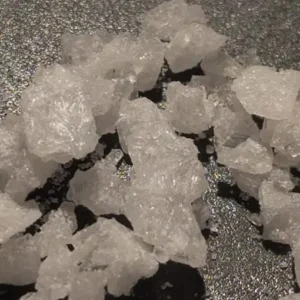
Crystal Meth
Price range: $165.00 through $12,000.00
This product has multiple variants. The options may be chosen on the product page
Out of stock
Price range: $140.00 through $900.00
This product has multiple variants. The options may be chosen on the product page
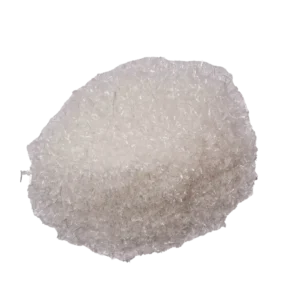
Out of stock
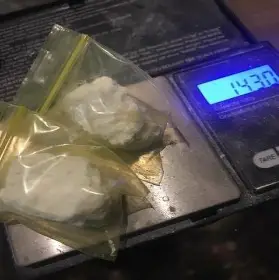
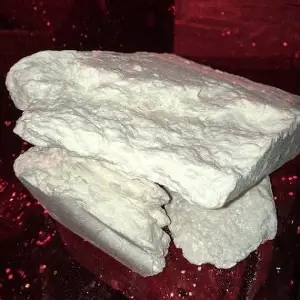
Cocaine
Price range: $160.00 through $2,900.00
This product has multiple variants. The options may be chosen on the product page
Adderall
Price range: $142.00 through $500.00
This product has multiple variants. The options may be chosen on the product page
Reviews
There are no reviews yet.