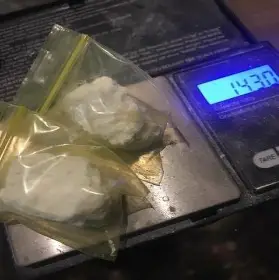
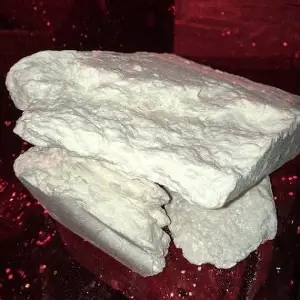
Buy Peruvian Cocaine in Canada: Understanding Safety, Laws, and Risks
If you are searching for where to buy Peruvian cocaine in Canada, you are likely navigating a complex landscape of unregulated markets and significant legal hurdles. At Bloom Supply Canada, we prioritize health, safety, and transparency. While cocaine is historically significant and remains a widely discussed stimulant, it is heavily regulated under Canadian law. This guide provides an in-depth look at what “Peruvian cocaine” signifies, its status in the Canadian legal system, and the critical harm-reduction steps every Canadian resident should know.
What Is Peruvian Cocaine?
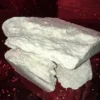
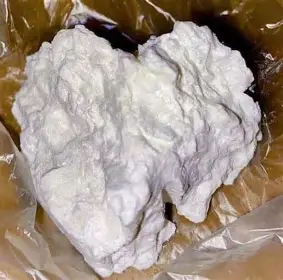
Cocaine is a powerful stimulant alkaloid derived from the leaves of the coca plant (Erythroxylum coca), which is native to South America. The term “Peruvian Cocaine” is often used in illicit markets to denote a specific origin or purity level. Peru is historically one of the world’s largest producers of coca, and illicit distributors often use the “Peruvian” label as a marketing tool to suggest a product that is “fishscale” or high-purity compared to other regional varieties.
Chemically, cocaine acts as a catecholamine reuptake inhibitor. It increases the concentration of dopamine, norepinephrine, and serotonin in the brain’s synapses by blocking their reabsorption. This leads to intense feelings of euphoria, increased energy, and heightened alertness. However, the stimulant effect on the central nervous system also places immense strain on the cardiovascular system. Whether a product is labeled as “Peruvian” or you choose to buy Volkswagen Cocaine in Canada, the core chemical risks associated with hydrochloride salts remain the same.
Legal Status in Canada
In Canada, cocaine—regardless of whether it is marketed as Peruvian, Bolivian, or Colombian—is classified as a Schedule I substance under the Controlled Drugs and Substances Act (CDSA). This is the strictest category of regulation in the country.
- Possession: Unless authorized by a specific exemption (such as for medical research or under certain provincial pilot programs), possessing cocaine is illegal and can lead to criminal charges.
- Trafficking: The sale, transport, or distribution of cocaine is a serious indictable offense.
- Importation: Bringing any amount of cocaine across the Canadian border is strictly prohibited and carries some of the heaviest penalties under the law.
It is important to note that while British Columbia has engaged in a temporary decriminalization pilot for small amounts of certain substances (for personal use), cocaine remains illegal to sell. You can browse the wider legal context of stimulants in our cocaine category archive.
Why Buying Peruvian Cocaine Online Is Risky
Attempting to purchase cocaine from illicit online sources presents multifaceted dangers that go beyond legal ramifications. Because the market is entirely unregulated, there is zero oversight regarding product quality, purity, or safety.
1. Vulnerability to Toxic Adulterants
The primary danger in the Canadian illicit market today is contamination. A significant portion of the cocaine seized in Canada contains unexpected and dangerous additives. The most lethal is Fentanyl. Even a microscopic amount of fentanyl mixed into a stimulant can cause a fatal respiratory arrest. Other common “cuts” include levamisole (a deworming agent that can suppress the immune system), phenacetin, and other stimulants like the substances found in Buy (Methylmethcathinone) Crystal in Canada listings.
2. Law Enforcement and Scams
Many websites claiming to ship cocaine to Canadian addresses are “exit scams” designed to steal cryptocurrency or personal information. Furthermore, the Canada Border Services Agency (CBSA) and the RCMP actively monitor domestic and international mail for controlled substances. Getting caught in a “controlled delivery” or having a package intercepted results in a permanent criminal record and loss of travel privileges.
3. Financial Risk
Because these transactions occur via non-reversible methods like Bitcoin or e-transfer to anonymous accounts, there is no consumer protection. Users often pay high prices for products that never arrive or arrive as an entirely different, more dangerous substance.
The Legitimate Pathway
Cocaine does have very limited medical applications, specifically as a topical anesthetic for mucous membranes in the ear, nose, and throat. However, these are strictly administered in hospital settings by medical professionals. There is no legal pathway for a consumer to purchase “recreational” cocaine for home use.
If you are seeking treatment for ADHD or narcolepsy, which are conditions sometimes mistakenly associated with the “functional” use of cocaine, the legal pathway involves a diagnosis from a Canadian doctor and a prescription for regulated medications. For example, some patients are prescribed Desoxyn 5mg Tablets or Concerta for sale through legitimate pharmacies. These medications are manufactured in controlled environments and provide a predictable, safe therapeutic benefit under medical supervision.
How Bloom Supply Canada Handles This Product
At Bloom Supply Canada, we adhere to all Health Canada regulations and the CDSA. We provide educational resources and harm-reduction information. For any prescription medication listed on our site, we require a valid, verified prescription from a licensed Canadian healthcare provider before an order is processed. We do not sell Schedule I substances for recreational use. Our goal is to ensure that Canadians have access to accurate information rather than falling prey to the dangers of the dark web or unregulated street markets.
Harm Reduction If You Use Anyway
If you choose to use stimulants, following harm-reduction principles can literally save your life. The toxic drug supply in Canada makes “low-risk” use a myth, but you can decrease the odds of a fatal outcome.
- Test Your Supply: Use fentanyl test strips and benzodiazepine test strips. Be aware that these strips do not detect all analogues (like carfentanil). If possible, utilize drug-checking services provided by harm-reduction centers in cities like Vancouver, Toronto, or Montreal.
- Start Low and Go Slow: If you have a new batch, use a tiny “test” amount first. Potency varies wildly between different sources.
- Never Use Alone: The majority of overdose deaths occur when someone is using alone. If you do use alone, call the National Overdose Response Service (NORS) at 1-888-688-NORS (6677). Someone will stay on the line with you while you use.
- Carry Naloxone: While Naloxone does not reverse a cocaine overdose (as it is not an opioid), it MUST be used if the cocaine was contaminated with fentanyl. If someone stops breathing, Naloxone is your first line of defense.
- Avoid Mixing: Combining cocaine with alcohol (which creates cocaethylene, a cardiotoxic compound) or opioids (“speedballing”) significantly increases the chance of heart failure or overdose.
Signs of Overdose & Emergency Response
A stimulant overdose (often called “overamping”) looks different from an opioid overdose. It is a medical emergency that requires immediate intervention.
Signs to watch for:
- Rapid or irregular heartbeat and chest pain.
- Severely high body temperature (hyperthermia) and profuse sweating.
- Seizures or tremors.
- Extreme paranoia, agitation, or psychosis (hallucinations).
- Difficulty breathing.
Emergency Response:
- Call 911 immediately.
- Under the Good Samaritan Drug Overdose Act, you are protected from simple possession charges if you call for help for yourself or someone else during an overdose.
- If the person goes unconscious or their breathing slows, administer Naloxone.
- Try to keep the person cool and calm until paramedics arrive.
Withdrawal, Dependence & Treatment
Cocaine is highly addictive due to its profound effect on the brain’s reward system. Regular use leads to “downregulation,” where the brain stops producing its own dopamine, leading to a “crash” and intense cravings.
Withdrawal symptoms include:
- Severe depression and irritability.
- Extreme fatigue but restless sleep.
- Increased appetite.
- Intense psychological cravings.
If you feel you are losing control of your use, help is available across Canada. Treatment options include medically supervised detox, Cognitive Behavioural Therapy (CBT), and peer support groups like Cocaine Anonymous (CA) or SMART Recovery.
FAQ
Is Peruvian cocaine safer than other types?
No. While the origin may suggest higher initial purity at the point of production, by the time it reaches the Canadian market, it has been handled and “cut” by multiple middle-men. No illicitly sourced cocaine is “safe.”
Can I get a prescription for cocaine in Canada?
Generally, no. Cocaine is used in very specific surgical procedures within hospitals, but it is not a medication that is prescribed for home use or retail pharmacy dispensing.
What is the fishscale appearance?
This refers to a shiny, pearlescent texture often associated with high-purity cocaine hydrochloride. However, many traffickers use “boric acid” or other additives to mimic this appearance, making visual inspection an unreliable method for determining safety.
Will Naloxone work on a cocaine overdose?
Naloxone only reverses the effects of opioids. However, because so much cocaine in Canada is contaminated with fentanyl, you should ALWAYS administer Naloxone if an overdose is suspected.
Helpful Resources & Hotlines
- Talk Suicide Canada: 1-833-456-4566 (Available 24/7)
- Health Canada – Substance Use Resources: Visit the official Health Canada website for local provincial clinics.
- National Overdose Response Service (NORS): 1-888-688-6677
- Wellness Together Canada: Text WELLNESS to 741741 for free, 24/7 support.
- Get a Naloxone Kit: Visit your local pharmacy (Rexall, Shoppers Drug Mart, etc.); in most provinces, these are free and do not require a prescription.
| Quantity | 10 Grams, 100 grams, 20 Grams, 35 Grams, 5 Grams, 50 Grams |
|---|
Be the first to review “Buy Peruvian Cocaine In Canada”
Related products

Co Codamol
Cocaine
Contrave
Reviews
There are no reviews yet.