
Ketamine Online in Canada: Comprehensive Guide, Risks, and Legal Safety
Ketamine has transitioned from its origins as a veterinary and human anesthetic to a breakthrough treatment in mental health and a widely utilized dissociative substance. In Canada, the conversation around ketamine has shifted significantly as more people seek help for treatment-resistant depression, PTSD, and chronic pain. However, as interest grows, so do the risks associated with the illicit market and unregulated online procurement. This guide provides a deep dive into the pharmacology, legal landscape, and harm-reduction strategies for those encountering ketamine in Canada.
What This Category Covers
This category explores the various forms and isomers of ketamine currently available in the Canadian landscape. Ketamine is a chiral molecule, meaning it exists in two mirror-image forms: S(+) ketamine (esketamine) and R(-) ketamine (arketamine). Each isomer interacts with the brain’s NMDA receptors differently, leading to variations in potency, dissociative effects, and therapeutic timelines.
The products listed in this category reflect these variations, ranging from crystalline powders for intravenous or intramuscular use to specialized nasal delivery systems. We cover the differences between racemic mixtures, pure S-isomers, and R-isomers, as well as the medical delivery systems like eskatamine sprays. Understanding these distinctions is crucial for anyone considering ketamine, as the dosage, onset of action, and psychological impact vary significantly between a “Type S” and a “Type R” experience.
Legal Status in Canada
In Canada, ketamine is a Schedule I controlled substance under the Controlled Drugs and Substances Act (CDSA). This means that possessing, selling, and distributing ketamine without a valid prescription and license is illegal. While it is a controlled substance, ketamine is also a legally approved medication for specific medical uses.
For decades, it has been used in hospitals as an anesthetic. More recently, Health Canada has approved specific formulations, such as Spravato (esketamine), for treatment-resistant depression under strict medical supervision. While clinical ketamine therapy is expanding across provinces like BC and Ontario, purchasing ketamine from an online dispensary remains outside the legal framework. It is essential to distinguish between the clinical application of ketamine in a “ketamine clinic” and the illicit market. Participating in the latter carries significant legal risks, including potential criminal charges for possession or trafficking.
Why Buying Ketamine Online Is Risky
The primary danger of purchasing ketamine online via the “grey market” or “dark web” is the lack of quality control and pharmaceutical oversight. Unlike a pharmacy or a clinical setting, online vendors do not provide certificates of analysis from accredited Canadian labs. This leads to several critical risks:
- Chemical Substitution: Often, what is sold as ketamine may actually be a “Research Chemical” (RC) or an analog like 2-FDCK (2-Fluorodeschloroketamine) or DCK. These analogs may have longer durations, different toxicity profiles (especially regarding bladder health), and unknown long-term effects.
- Adulterants and Potency: The illicit supply chain frequently involves cutting agents. In recent years, Canada’s unregulated drug supply has seen an influx of fentanyl and its analogs. Even trace amounts of fentanyl in a ketamine supply can be fatal to an unsuspecting user.
- Isomer Deception: Many illicit sellers claim to have “S-Isomer” because it is more sought after for its potency, but without lab testing, it is impossible to verify if the product is a racemic mix or a pure isomer.
- Digital and Personal Security: Transactions involving controlled substances are targets for scams, “exit scams” by vendors, and law enforcement stings. Your personal information and financial data are never truly secure in these environments.
The Legitimate Pathway
If you are seeking ketamine for its therapeutic benefits—specifically for mental health issues like Depression, Bipolar Disorder, or PTSD—the safest and only legal pathway is through the Canadian medical system. This typically involves:
- Psychiatric Assessment: Consulting with a psychiatrist to determine if traditional treatments (SSRIs, SNRIs, Therapy) have failed.
- Medical Referral: Obtaining a referral to a specialized Ketamine Clinic. These clinics operate legally and provide “Ketamine Assisted Psychotherapy” (KAP).
- Supervised Administration: Receiving the dose via IV infusion or nasal spray under the watchful eye of a nurse or doctor. This ensures that any adverse reactions, such as spikes in blood pressure or “K-holes” (intense dissociation), are managed safely.
- Integration: Following up with a therapist to process the dissociative experience, which is considered a pillar of the medicine’s success in treating trauma.
Products in This Category at Bloom Supply Canada
Below are the specific listings currently available within our catalog. These descriptions represent the diverse formats found in the Canadian market:
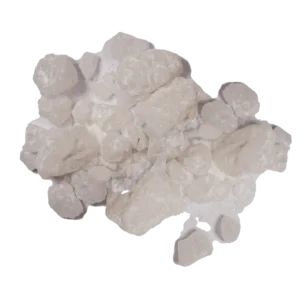
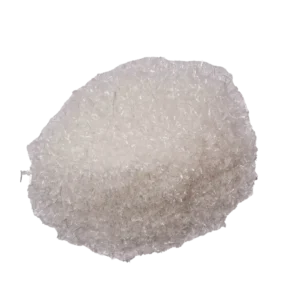
- Ketamine (Type S): Known for being roughly twice as potent as the R-isomer. S-Ketamine is often described as more psychedelic and visual, with a faster onset and shorter duration.
- Ketamine (Type R): Often considered more “sedating” or “mellow” than the S-isomer. Recent studies suggest the R-isomer may actually have longer-lasting antidepressant effects with fewer side effects, though it is less common in recreational circles.
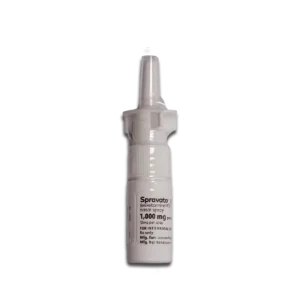
- Ketamine Nasal Spray – by “Spravato” (Eskatamine HCI): This represents the pharmaceutical grade of S-ketamine specifically designed for depression. In a clinical setting, this is administered under observation.
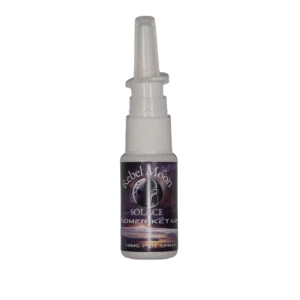
- R – Isomer Ketamine Nasal Spray – Rebel Moon: A nasal delivery format focusing on the R-isomer, intended for those who prefer the arketamine profile over the more intense S-isomer.
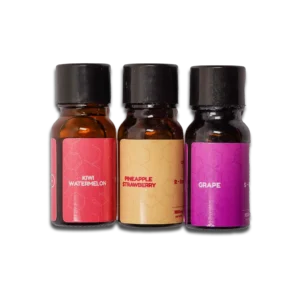
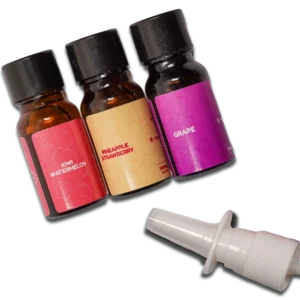
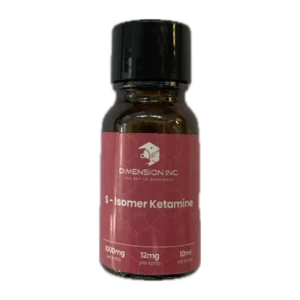
- S – Isomer Ketamine – Flavoured Nasal Spray – by “Dimensions Inc”: This product combines the potency of S-ketamine with flavoring agents to mask the notoriously bitter and chemical drip associated with nasal administration.
- R – Isomer Ketamine – Flavoured Nasal Spray – Dimensions Inc: Similar to its S-isomer counterpart, this offers a more palatable experience for those utilizing R-ketamine.
Harm Reduction Essentials
If you choose to use ketamine outside of a medical setting, harm reduction is the most effective way to prevent injury or death. Ketamine is a powerful dissociative anesthetic that carries unique risks.
1. Test Your Supply
Always use a reagent test kit (such as Mandelin or Mecke) to verify that your substance is indeed ketamine. More importantly, use Fentanyl Test Strips. In Canada, many non-opioid drugs are cross-contaminated. A single grain of fentanyl can stop your heart.
2. Dose Carefully
Ketamine has a steep dose-response curve. A “bump” is very different from a “line.” High doses lead to a “K-hole,” a state of total dissociation where you cannot move or communicate. Always start low and go slow.
3. Manage the Environment
Never use ketamine alone. Because it is an anesthetic, you can lose motor control and fall. Ensure you are in a safe, comfortable environment (like a couch) where you won’t accidentally injure yourself or choke on vomit.
4. The “Set and Setting”
Ketamine can drastically alter your perception of reality. If you are in a negative headspace or a chaotic environment (like a crowded club), you may experience a “bad trip” or intense anxiety. Ensure your “setting” is peaceful and your “set” (mindset) is stable.
Overdose & Emergency Response
While a fatal overdose on pure ketamine is rare (though possible at extremely high doses due to respiratory depression), it is frequently combined with other substances that increase risk. Combining Ketamine with Alcohol or Opioids is extremely dangerous and significantly increases the risk of fatal respiratory failure.
Signs of an emergency:
- Unresponsiveness or inability to wake up.
- Blue lips or fingernails.
- Gurgling or snoring sounds (sign of airway obstruction).
- Very slow or shallow breathing.
- Seizures.
If you suspect someone has overdosed, call 911 immediately. In Canada, the Good Samaritan Drug Overdose Act provides some legal protection for those seeking emergency help during an overdose.
Ketamine Bladder Syndrome (Ketamine Cystitis)
One of the most severe long-term risks of ketamine use is damage to the urinary tract. Chronic use of ketamine can lead to “K-bladder,” a condition characterized by severe pain during urination, blood in the urine, and extreme frequency (needing to go every 15 minutes). In severe cases, the bladder develops ulcers and may need to be surgically removed. To reduce this risk, avoid frequent use, stay hydrated, and discontinue use immediately if urinary symptoms appear.
Treatment & Recovery Resources
Ketamine can be psychologically addictive. If you find yourself using it more frequently than intended, or if you are using it to “escape” reality or self-medicate for anxiety or trauma, help is available. While ketamine is used to treat other psychological conditions, its misuse can lead to dependency.
If you or someone you know is struggling, reaching out to a healthcare professional or a local addiction service is the best first step. There are many evidence-based treatments, including Cognitive Behavioral Therapy (CBT), that are effective for dissociative substance misuse.
FAQ
Is ketamine legal for depression in Canada?
Yes, specifically esketamine (Spravato) is Health Canada-approved for treatment-resistant depression. Other forms of ketamine are used “off-label” in specialized clinics across the country.
What is the difference between S-Ketamine and R-Ketamine?
S-Ketamine (Eskatamine) is more potent and dissociative. R-Ketamine (Arketamine) is often described as less intense but potentially more effective at providing long-term antidepressant relief with fewer side effects.
Can ketamine cause permanent damage?
Yes. Frequent, high-dose use can cause permanent bladder damage (cystitis) and cognitive impairments. Using unregulated ketamine also risks exposure to contaminants like fentanyl.
How long does ketamine stay in your system?
Ketamine has a short half-life (about 2.5 hours). However, its metabolites can be detected in urine for several days to a week depending on the frequency of use.
Is ketamine an opioid?
No, ketamine is a dissociative anesthetic and an NMDA receptor antagonist. It does not work on the same receptors as opioids (like oxycodone or fentanyl), though it does have some analgesic (pain-killing) properties.
Helpful Resources & Hotlines
- Canada Health – Substance Use Services: Access to provincial resources for addiction.
- Wellness Together Canada: 1-866-585-0445 (Free 24/7 mental health and substance use support).
- Talk Suicide Canada: 1-833-456-4566.
- Get Your Drugs Tested (Vancouver/Postal): A free service to analyze substance purity.
- The Centre for Addiction and Mental Health (CAMH): Resources on ketamine and other dissociatives.
Disclaimer: Bloom Supply Canada provides this information for educational and harm-reduction purposes only. We do not encourage the illegal use of controlled substances. If you are experiencing a medical emergency, please dial 911 immediately.